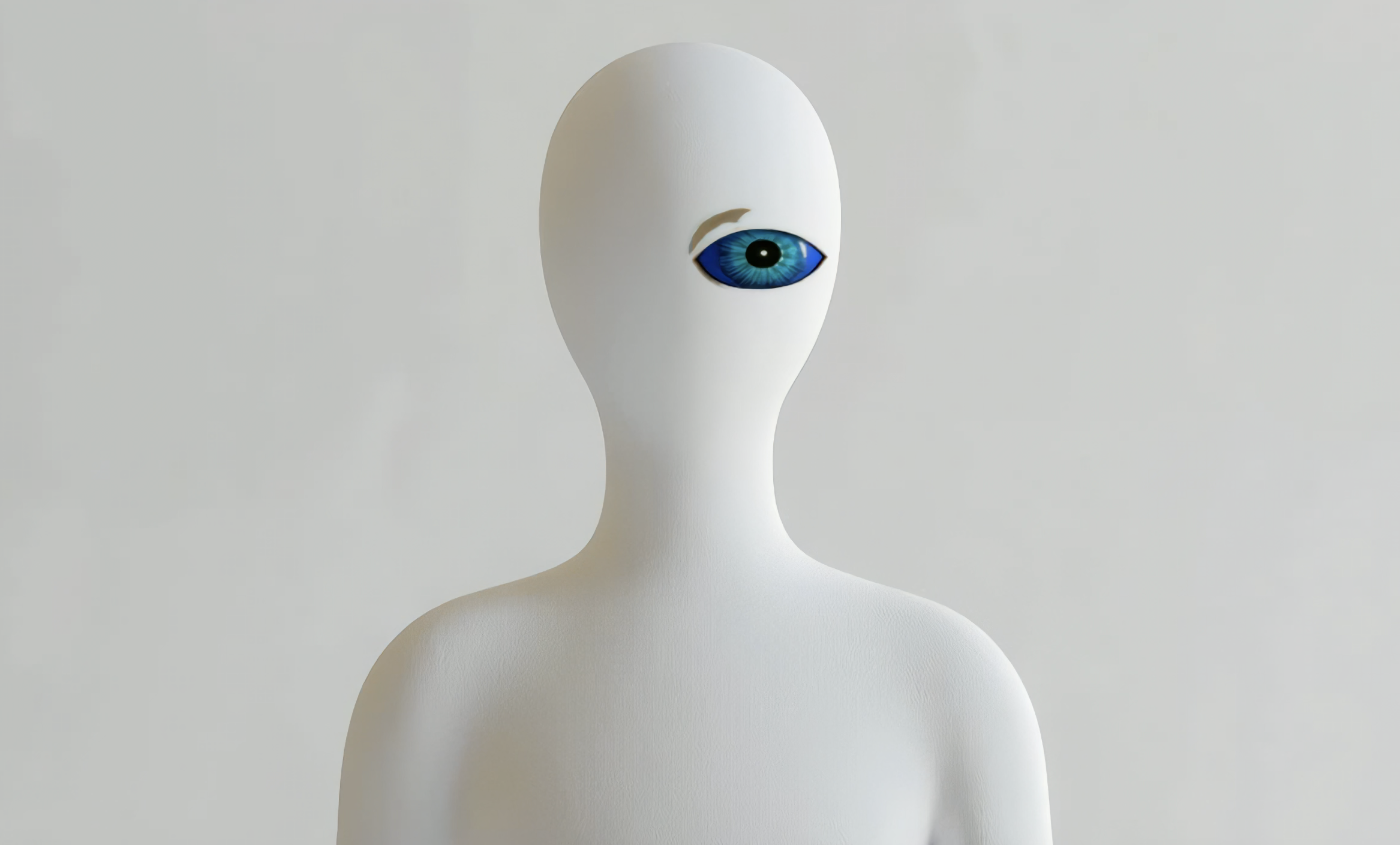
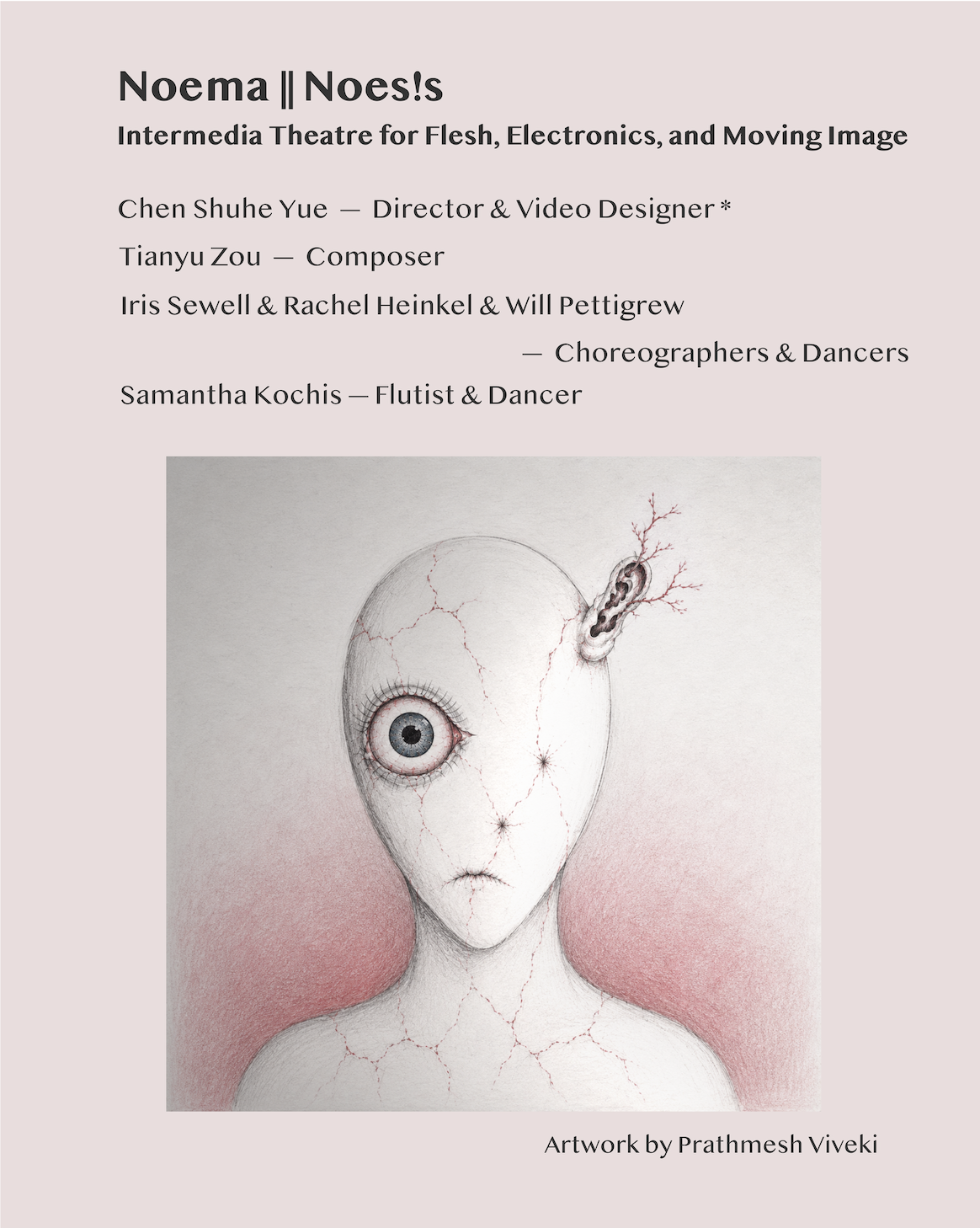
Intermedia Theatre for Flesh, Electronics, and Moving Image
Noema || Noes!s
September 4, 2026 at The Chain Theatre, New York
10-minute excerpt | Full performance: 40 minutes
DramaEtMusica Mini Festival 2026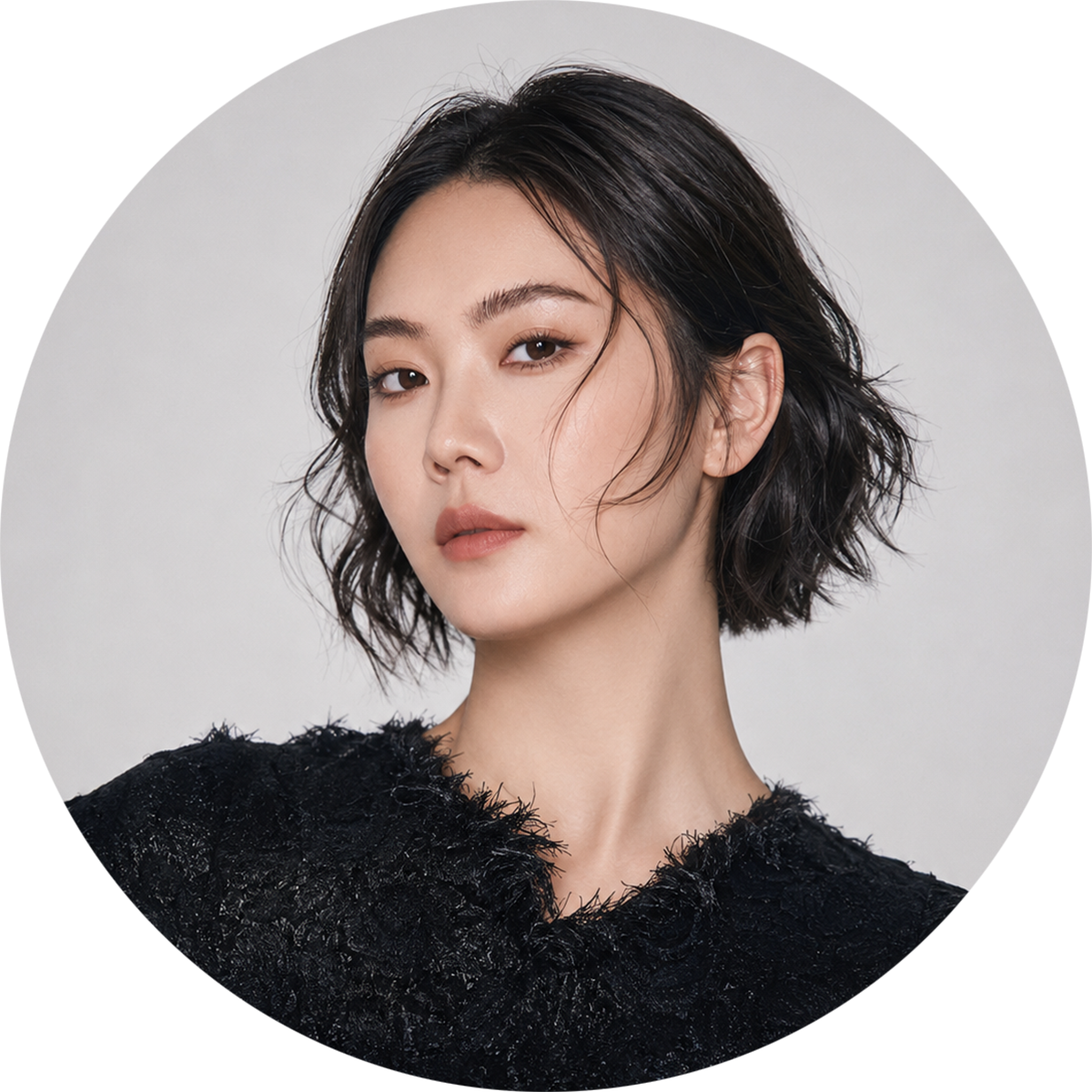
Director & Video Designer*
Chen Shuhe Yue
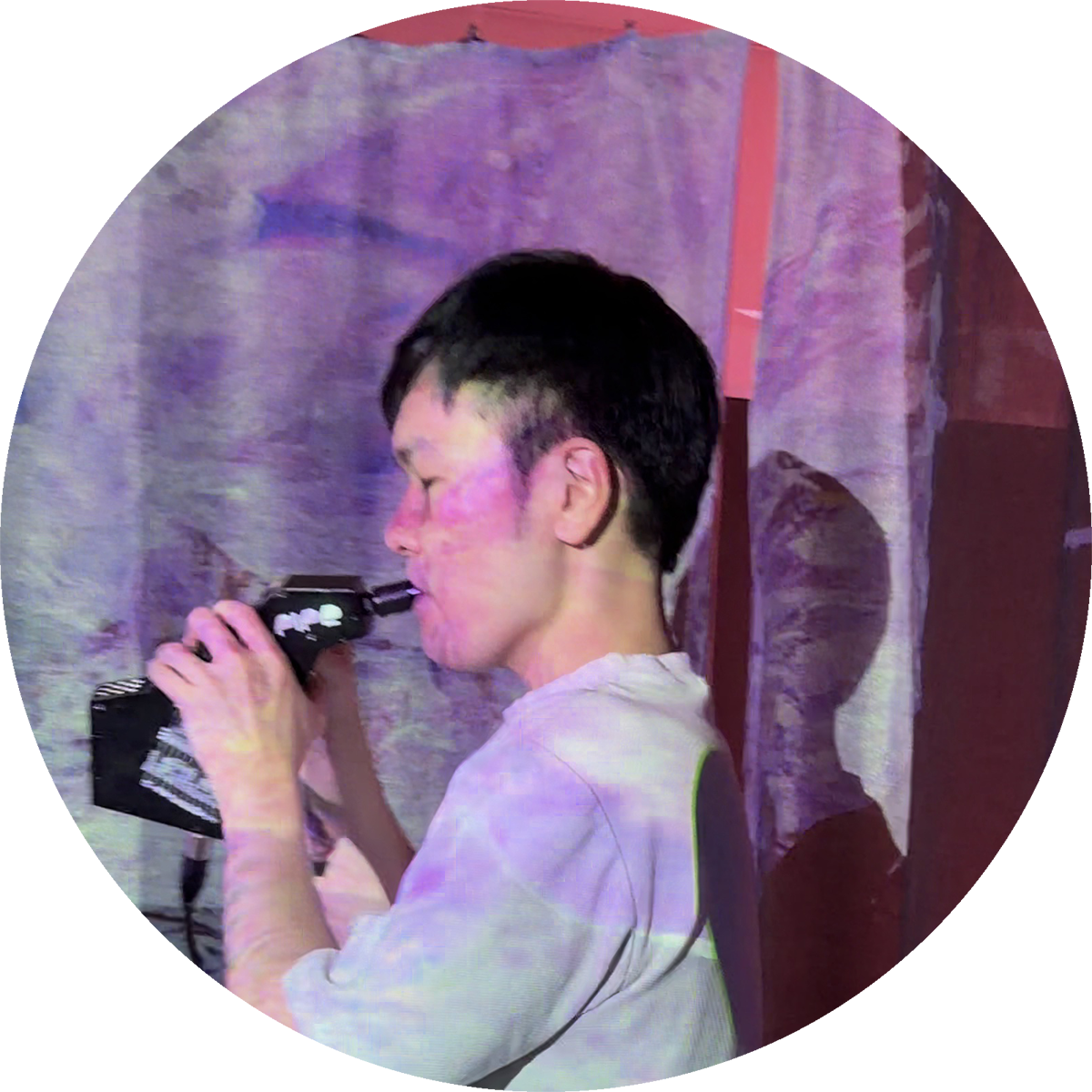
Composer
Tianyu Zou
Choreographers & Dancers
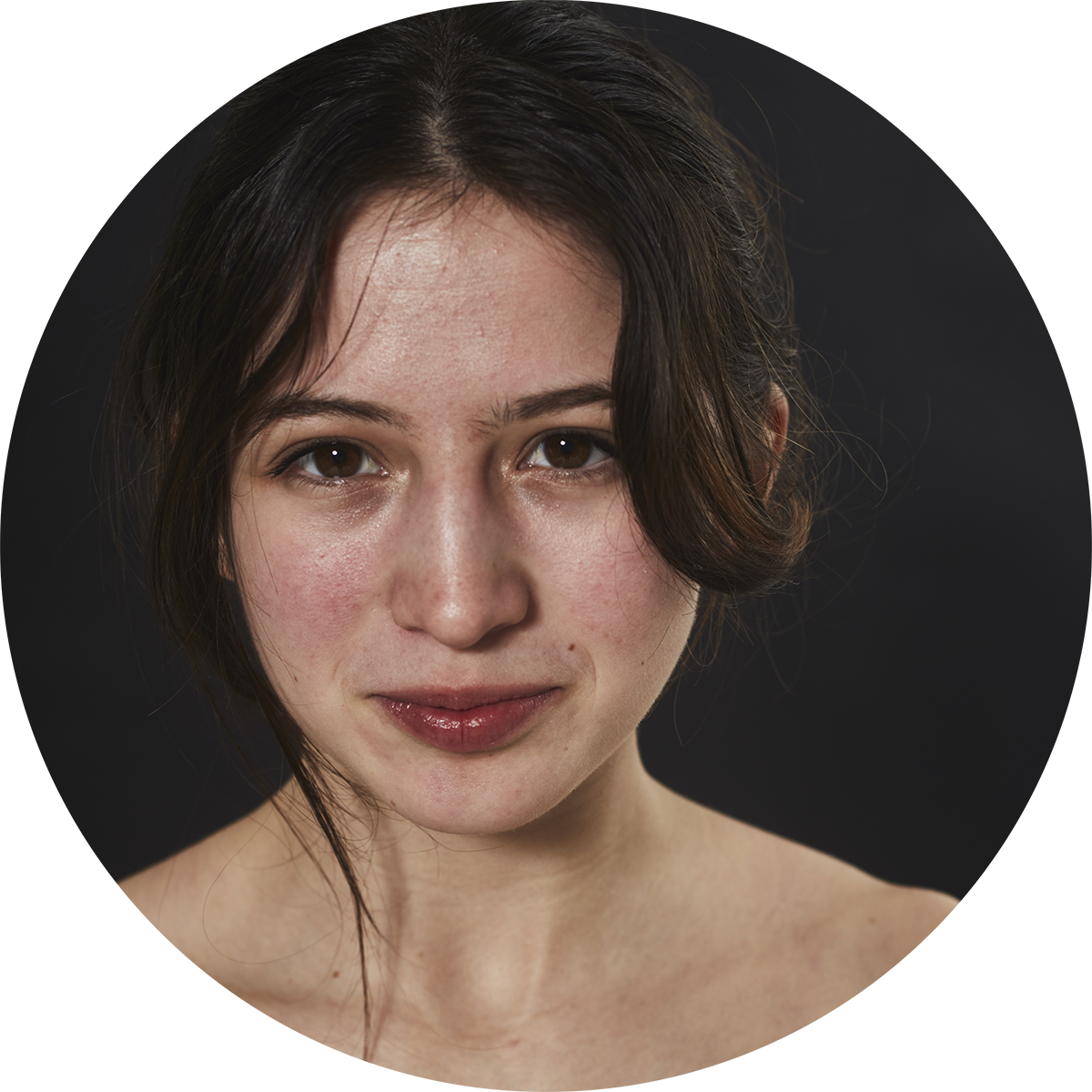
Iris Sewell
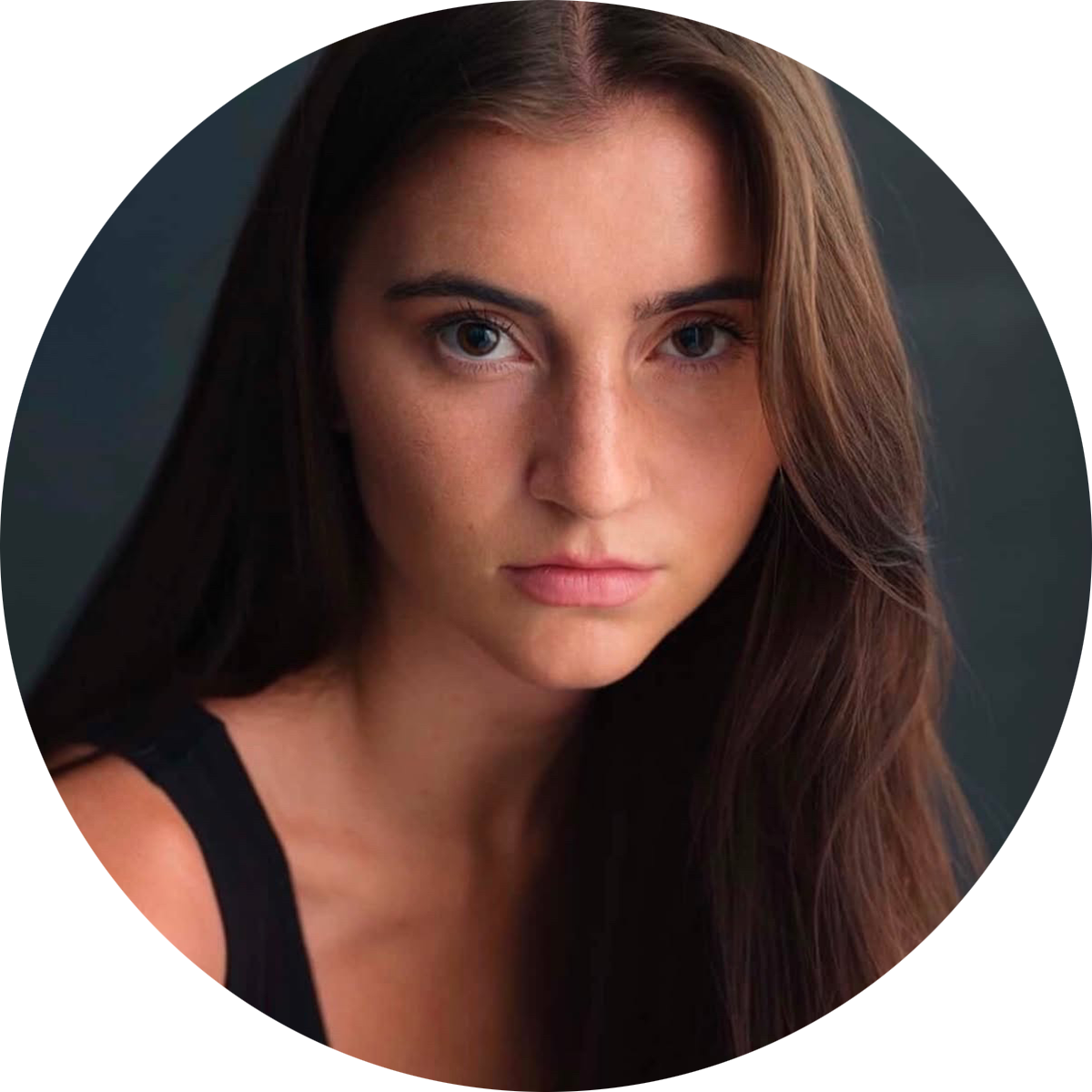
Rachel Heinkel
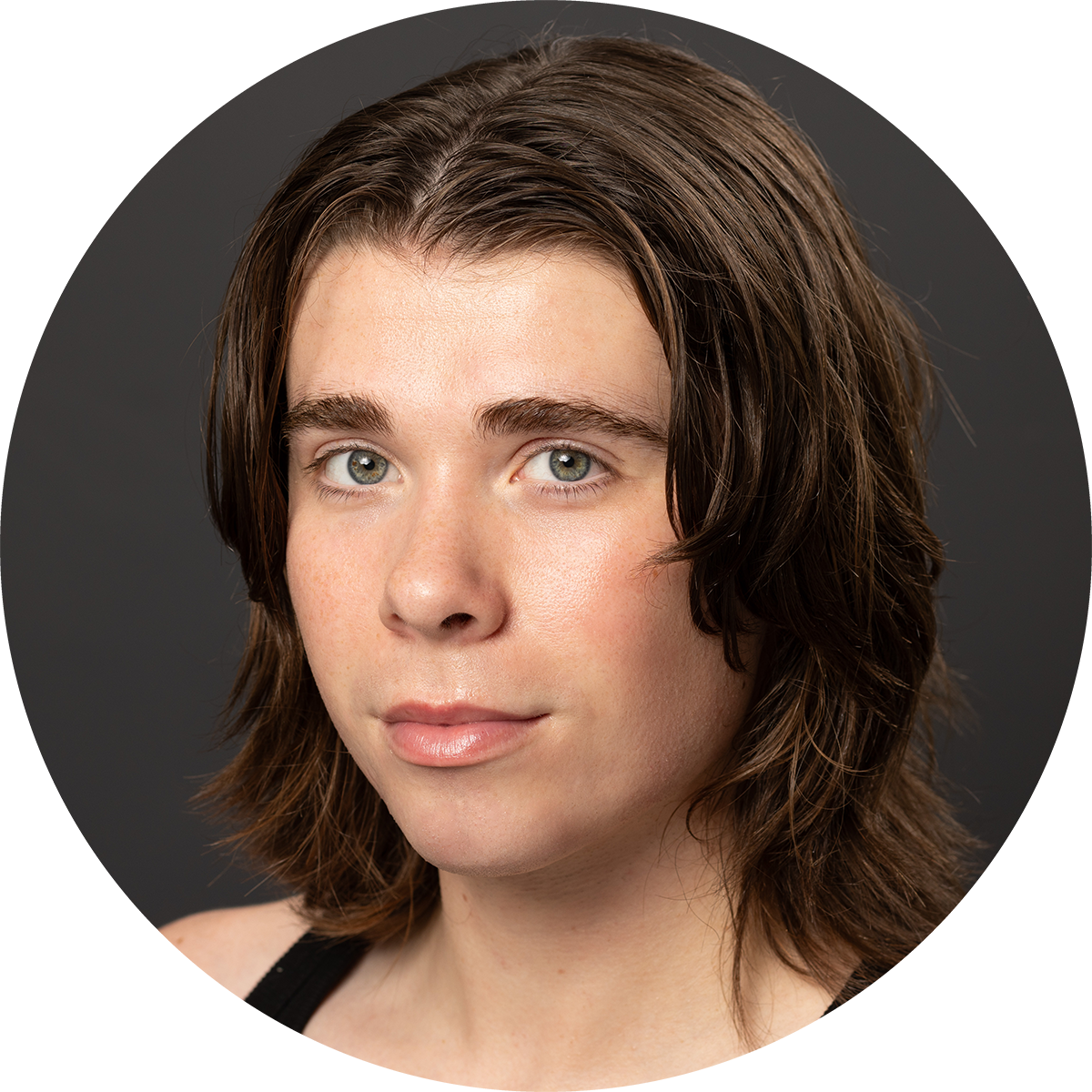
Will Pettigrew
Instrumentalist & Dancer
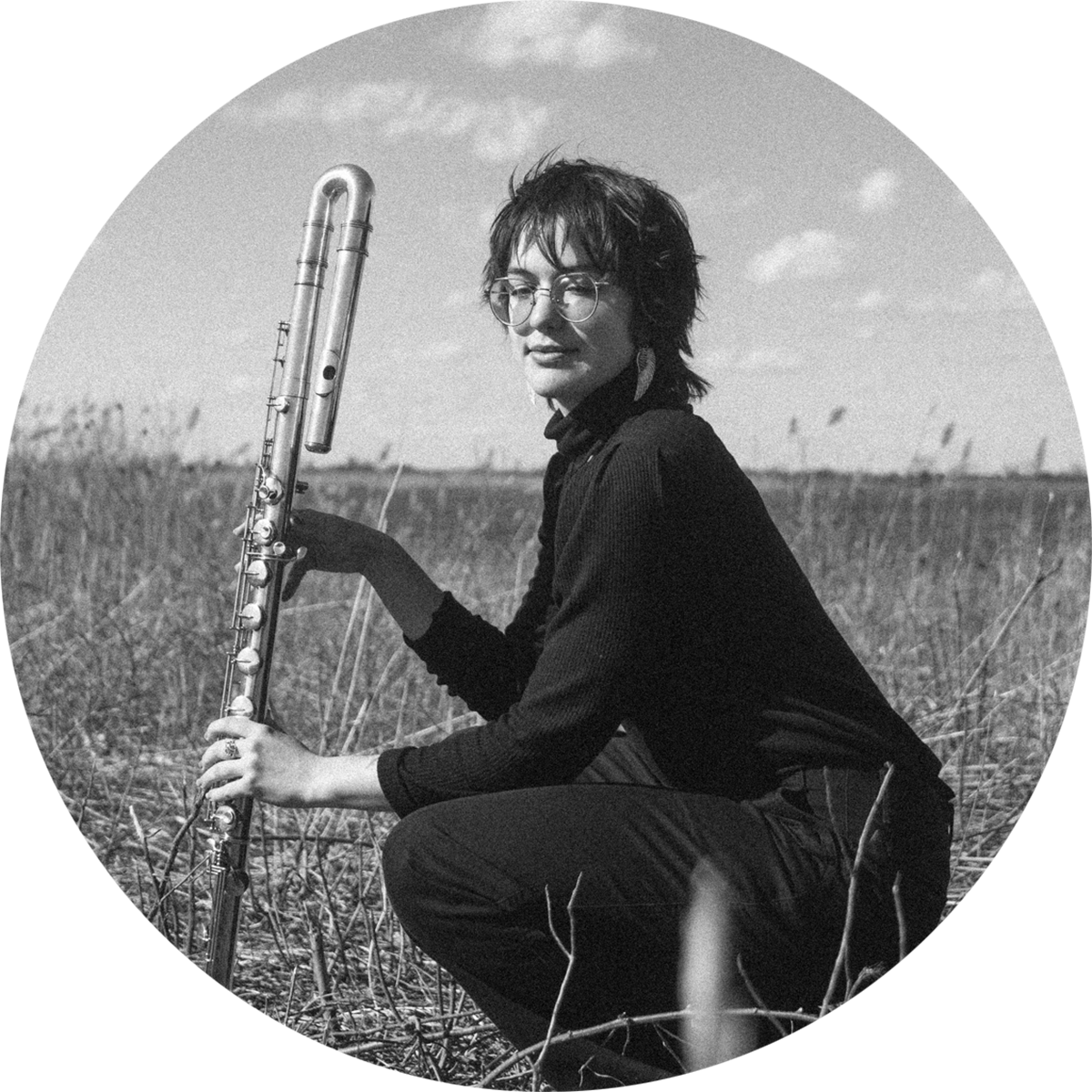
Samantha Kochis
To become visible is also to become subject to the perception of others. Our sense of who we are is shaped by our own experience of the world, while continually encountering the ways others see, interpret, and define us.
Noema || Noes!s draws on two ideas from phenomenology. Noesis refers to the intentional activity of consciousness, while noema refers to the way something appears or is experienced through that activity. These concepts frame a central tension in the work: we experience ourselves from within, yet we also become aware of how we appear in the eyes of others. The two perspectives shape one another, but never fully coincide.
Visibility can make individuality more apparent, but it can also expose a person to projection, judgment, distortion, and reduction. As differences become visible, they may become part of how we understand ourselves, while also becoming the basis on which others assign meanings, expectations, or assumptions.
Noema || Noes!s asks what it means to become oneself when identity can never take shape entirely on our own terms. The work does not seek a definitive or complete self, but sees becoming as a continuous process—shaped by our own experiences, our encounters with others, recognition and acknowledgment, and our responses to and resistance against external definitions.
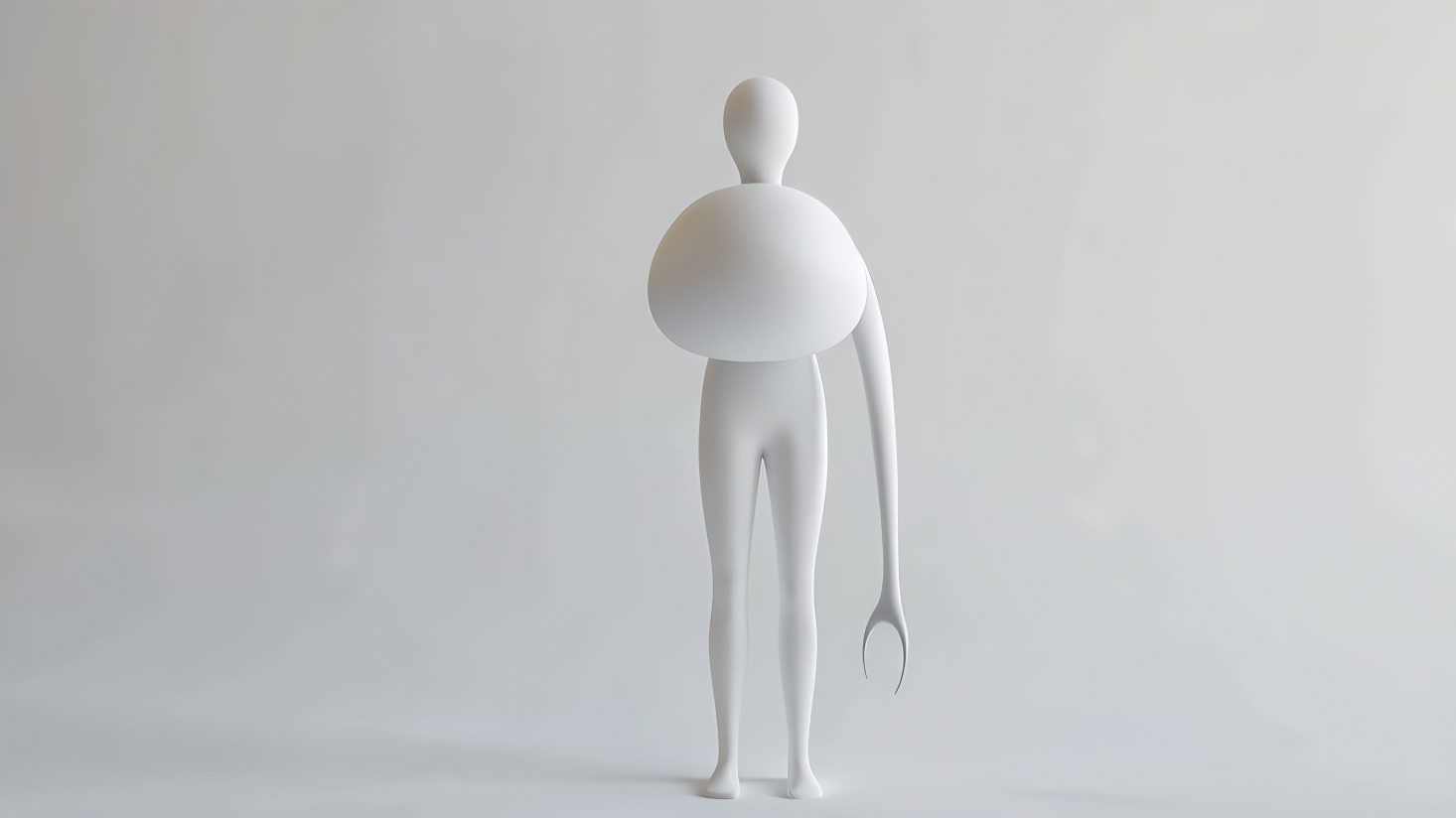
Video
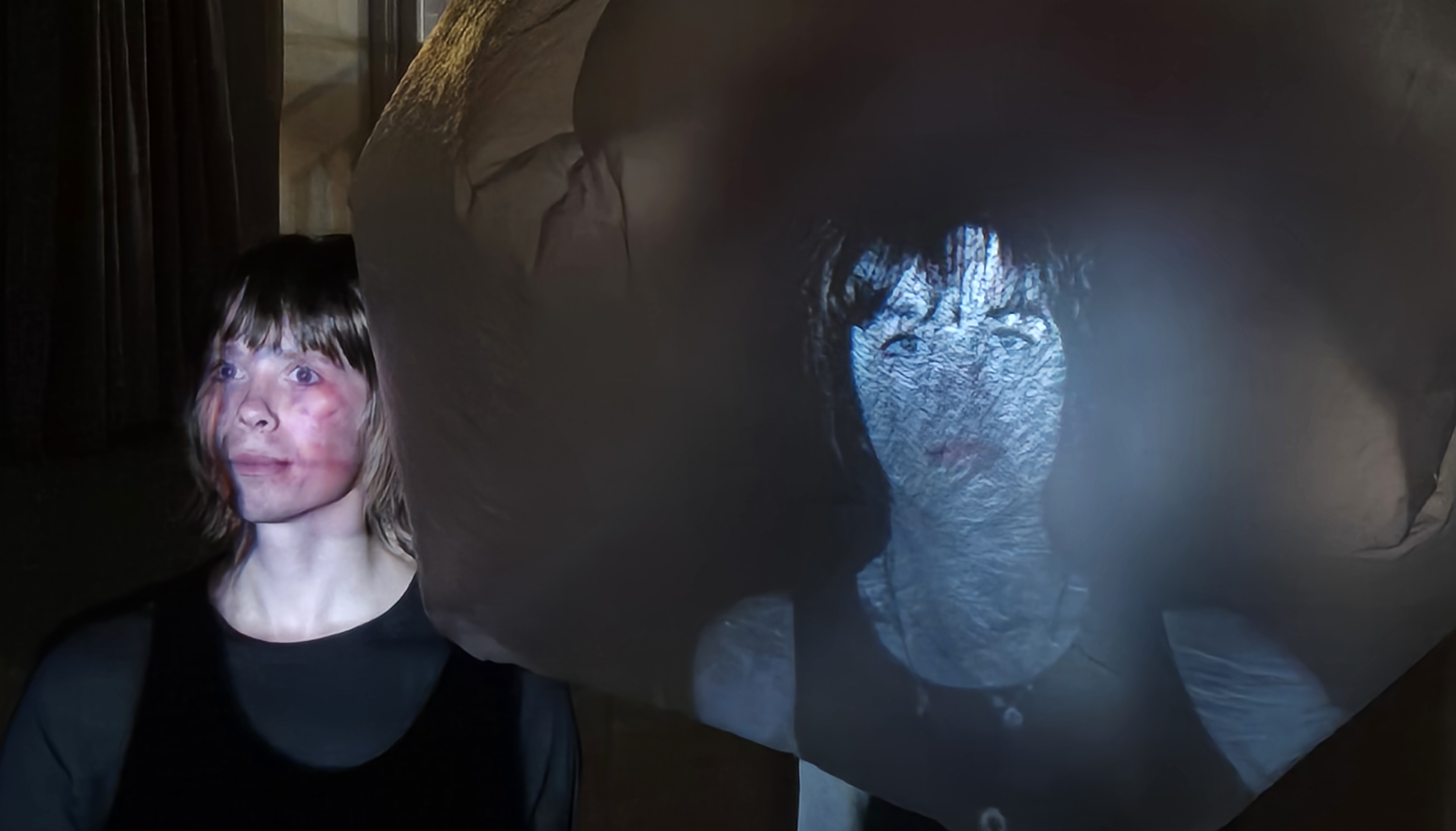
The performance employed two projectors: the primary projector displayed visuals onto the large backdrop fabric, while the second projected imagery directly onto the performers’ bodies, creating a dynamic interplay between moving images, physical movement, and the stage environment.
The visual production of Noema || Noes!s followed a multi-stage workflow integrating generative AI tools with artistic direction and post-production.
The initial phase focused on character design and visual development using Midjourney. Once the character identities and visual aesthetics were established, Runway Gen-4.5 and Seedance were employed to generate moving-image sequences, exploring character movement, visual composition, and temporal continuity.
Runway Gen-4.5
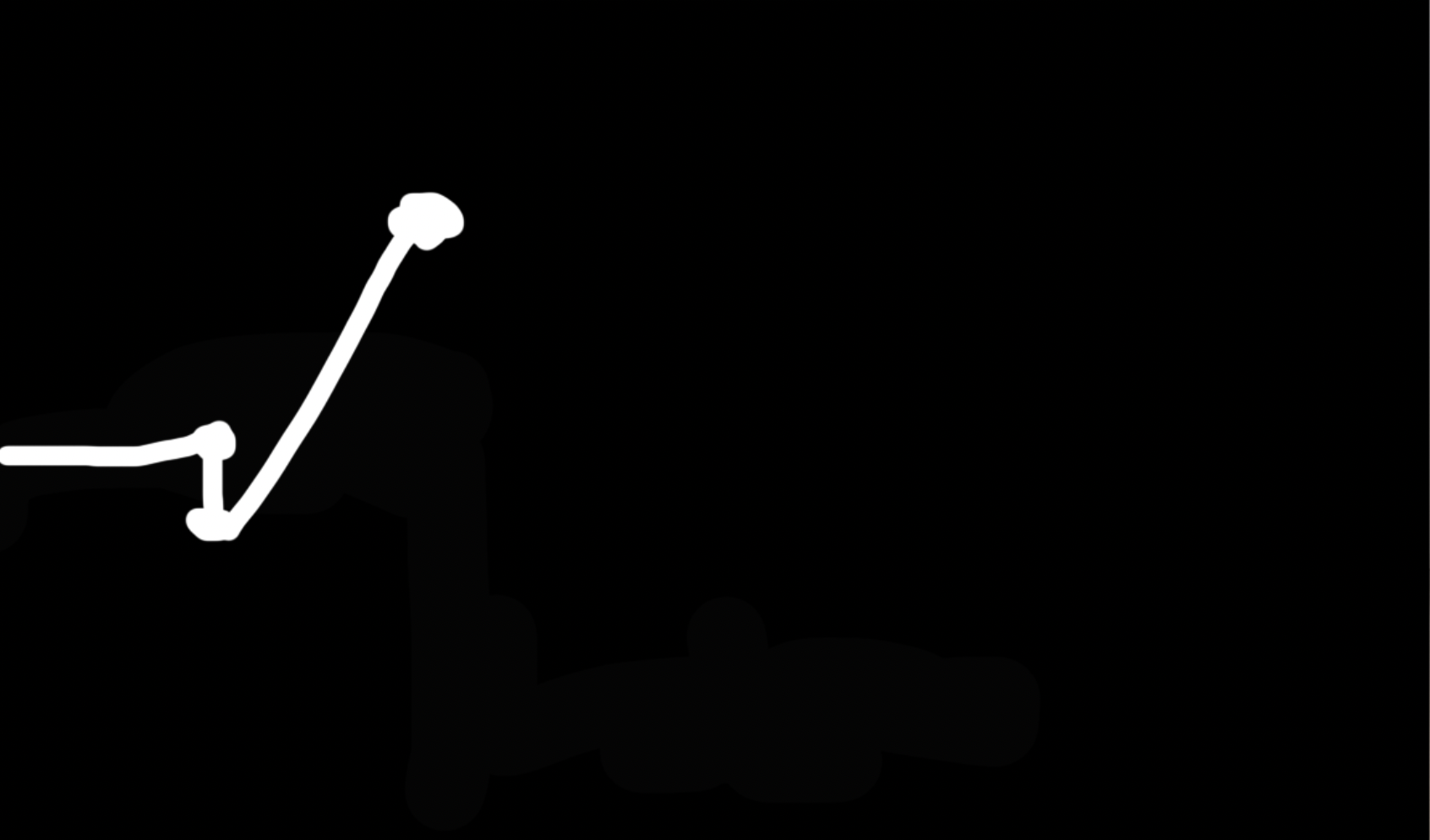
In the later stages, the workflow transitioned to a locally deployed open-source generative video model, LTX-2.3, providing greater flexibility in the generation process. Selected sequences were subsequently processed using Topaz Video AI for upscaling and image enhancement, improving resolution, clarity, and detail.
LTX-2.3
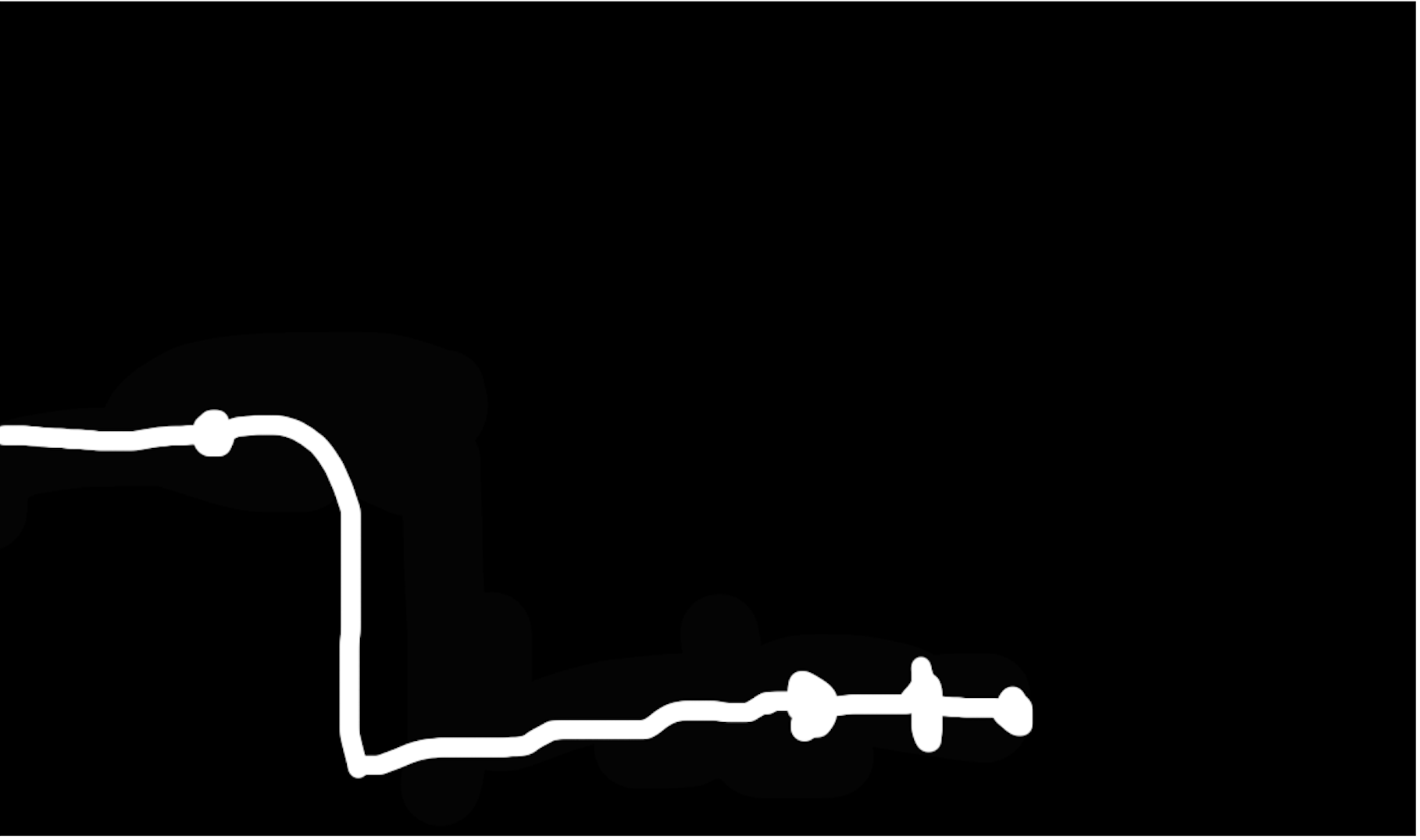
Hand-drawn Movement Paths
The latter part of the performance features original footage filmed by the director in the rehearsal studio. Both AI-generated and filmed materials were then creatively edited and recomposed by the director, shaping the visual narrative, rhythm, and transitions in alignment with the work's dramaturgical structure and live performance.
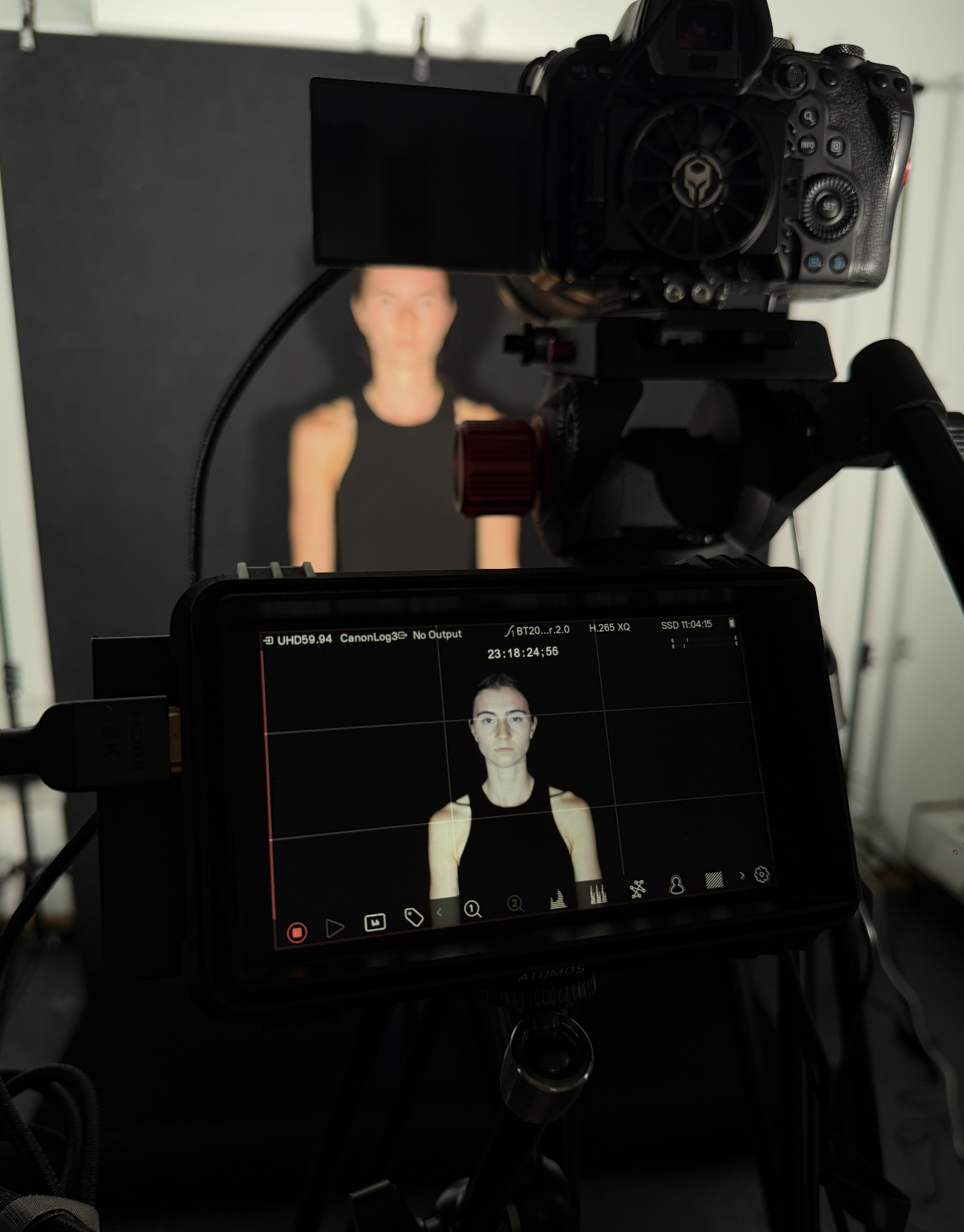
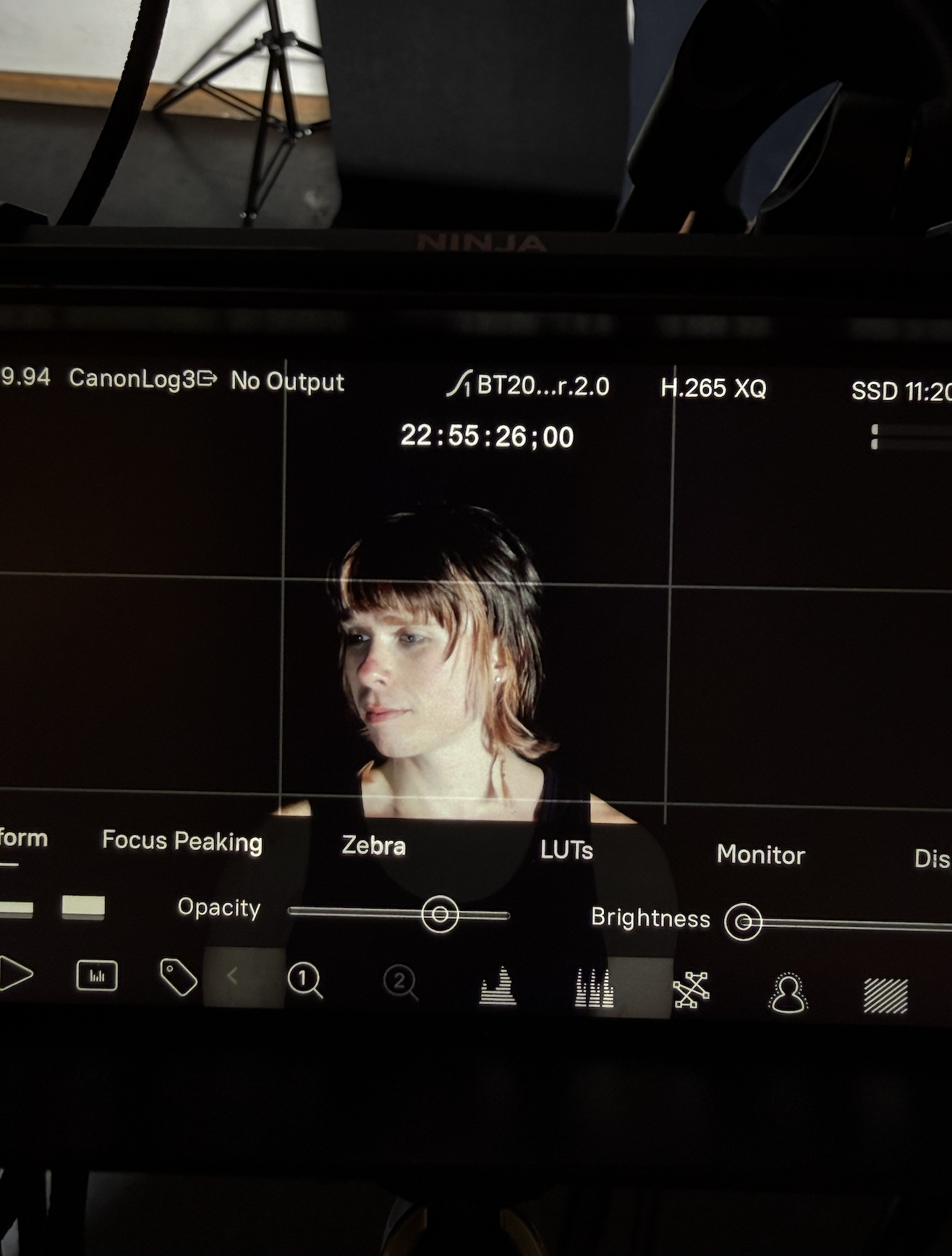
Filming in the Studio